PNG%20copy%202%20(little%20touch%202).png)
Walking Through a Thousand Years of Tübingen
- Tadas Svetikas

- Jan 18
- 1 min read

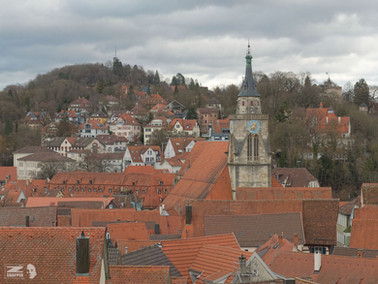
Tübingen may be small, but it’s been around for a long time—and it shows. The town dates back to at least the 11th century, when it grew up around a castle overlooking the Neckar River.




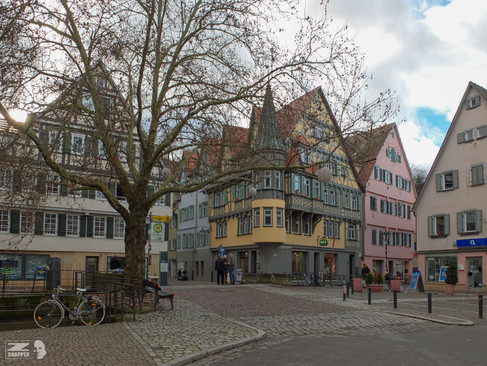
By the Middle Ages, Tübingen was already an important local hub, with walls, towers, and a busy market square that still exists today.
The biggest turning point came in 1477, when Eberhard Karls University was founded. That single decision shaped the town’s future. Famous thinkers like Johannes Kepler, Georg Wilhelm Friedrich Hegel, and Friedrich Hölderlin studied or worked here, giving Tübingen a reputation as a place for ideas long before “college town” was a thing.
Tübingen escaped major destruction during World War II, which is why the old town still feels so authentic. The narrow alleys, half-timbered houses, and medieval layout are largely original, not reconstructions. Even the Neckar riverboats—today used for relaxed punting trips—once carried goods and people in and out of town.


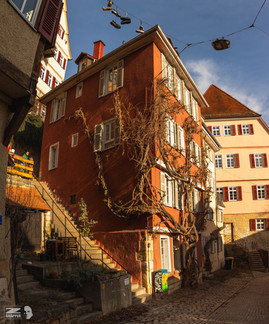


These days, history isn’t locked behind museum doors in Tübingen. It’s part of daily life, from lectures in centuries-old buildings to a market square that’s been buzzing for hundreds of years.






Comments